Color physics & spectroscopy
Learn pigment chemistry, RGB vs CMYK color spaces, and photon wavelength absorption first-hand.
VR Labs · Art & STEAM
Virtual reality and interactive STEAM environments where color physics, photochemistry, generative geometry, and bio-art converge — empowering students to explore the deep science behind visual creation.
NEP 2020 Experiential Learning · Holistic STEAM · Cross-Discipline
Why Creative STEAM
Learn pigment chemistry, RGB vs CMYK color spaces, and photon wavelength absorption first-hand.
Iterative prototyping, user empathy mapping, and spatial ergonomics explored without material limits.
Silver halide reactions, cyanotype sun printing, and camera obscura optics with zero toxic chemicals.
Students graduate with both scientific reasoning and striking visual design work for admissions portfolios.
The STEAM library
Investigate prism dispersion, complementary color mixing, subtractive pigment matrices, and retinal cone responses in an interactive optical workbench.
Simulate UV-sensitive emulsion chemistry, light exposures, and chemical fixer washes — observing photolytic reactions safely.
Generate Fibonacci spirals, fractals, tessellations, and Islamic geometric patterns using computational mathematical algorithms.
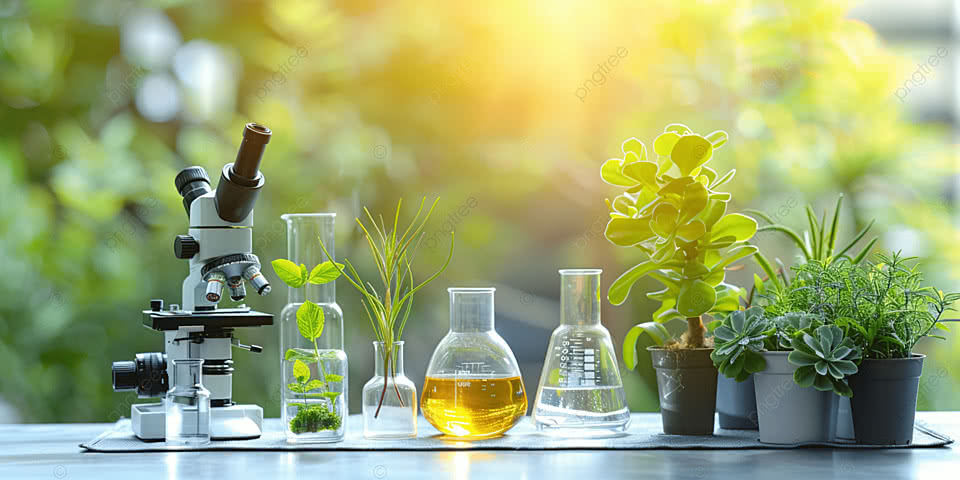
Extract chlorophyll, anthocyanins, and bio-dyes from botanicals, studying pH-dependent pigment shifts across alkaline and acidic ranges.
The library
Wave Optics & Spectrophotometry
UV Iron Salt Photolysis
Geometry & Visual Proportion
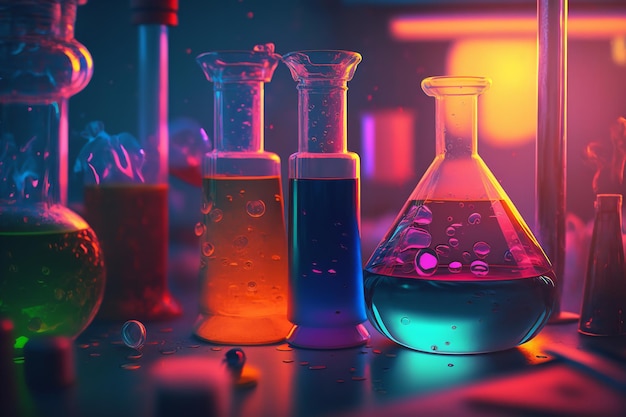
Red Cabbage Botanical Dye Chemistry
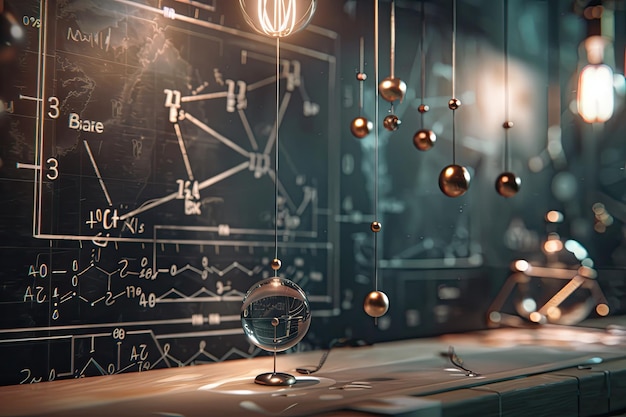
Focal Length & Inverted Real Images
M.C. Escher Symmetry Mathematics
Meet 7thi
7thi prompts design students to uncover the underlying scientific laws behind aesthetic outcomes, connecting art theory to chemistry and physics.
“Notice how the cyan dye deepens as you increase UV exposure. What is happening to the ferric ammonium citrate?”

Who it's for
Foundation courses in light, materiality, color science, and structural prototyping.
Interdisciplinary makerspaces blending digital media, creative coding, and physical sciences.
Fulfilling NEP 2020 arts-integrated learning mandates with hands-on experiential modules.
Standards
Our modules fulfill national mandates for experiential learning, encouraging students to combine analytical rigor with creative synthesis.
Request a syllabus map for your institutionCommon questions
For procurement, IT, and curriculum-mapping questions, our academic team is one message away.
Talk to usSTEAM integrates Arts into STEM (Science, Technology, Engineering, Mathematics). Research demonstrates that combining creative design with scientific inquiry boosts concept retention, spatial intelligence, and innovation ability.
No. All modules run in the browser with interactive chemical synthesizers, virtual light spectrophotometers, and parametric design canvases. Zero consumables required.
Yes. All modules map directly to NCERT/CBSE Art-Integrated Learning (AIL) guidelines and NEP 2020 competency-based learning outcomes.
Yes! Students can export publication-grade PNG images, SVG vector paths, and lab reports complete with scientific formulas and visual outputs.
In practice
Leading Design Academies
Replaced expensive darkroom chemicals with virtual photochemistry, saving schools budget while increasing student experimentation.
Read the case studyArts-Integrated K-12 Schools
Over 120+ partner schools introduced bio-art and fractal geometry, reporting a 34% increase in student engagement.
Read the case studyExplore other disciplines
A walkthrough tailored to your institution, your art curriculum, and your student cohort.