Science & Mathematics
Engineering, Maker & STEAM Arts
Student Projects & Schematics
•Complete Makerspace CatalogCatalog•Prototyping & Digital Fabrication•Hand & Power Tools WorkshopStudent Projects & Schematics
•Working Science Fair Prototypes•Innovation Schematics & BOM•Student Innovation ShowcaseApparatus Catalog & Lab Packages
Procurement & Institutional Cart
Directory & Discovery
School Directory & Categories
•Pan-India School Search•Search Schools Near MeNear Me•UDISE Verified DirectoryFaculty & Enablement
Student Competitions & Hackathons
Related Pages & Subcategories
•National STEM Hackathon 2026Upcoming•Inter-School Science Olympiad•Innovation Project ShowcaseWorkshops & Faculty CPD
Our Organization & Pedagogy
Related Pages & Subcategories
•Our Mission & Vision•Our Story & Journey•Leadership & Advisory Team•Contact Us & Lab AdvisoryWho It's For & Careers
Academic Insights & Govt Schemes
Media & Visual Showcase
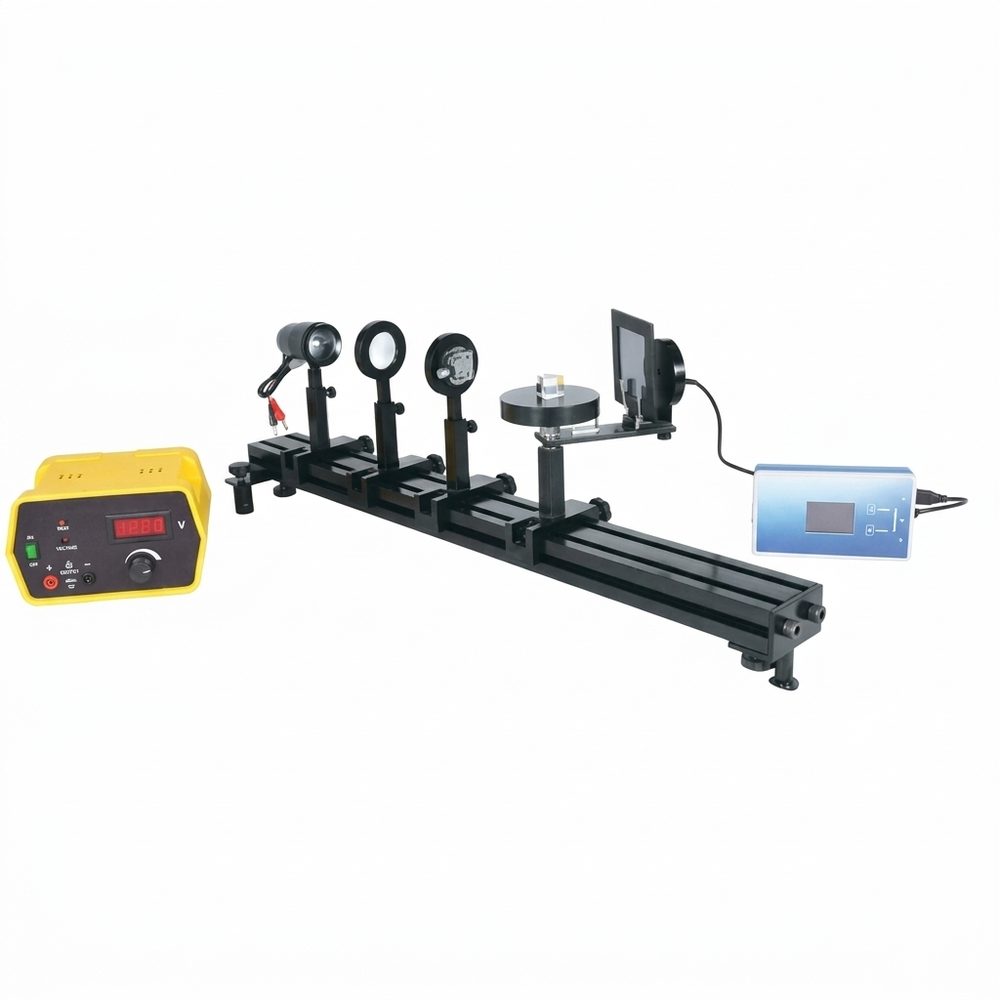 SKU: BAE1-C
Experiential Learning Apparatus • Science Practical Calibration
Wave OpticsCBSE / NCERT Syllabus
Brewster Angle Experiment
Apparatus Description & Purpose
OBJECTIVES
Measurement of Brewster’s angle for a given dielectric dispersive medium.
PRINCIPLE
When un-polarized light is incident on the surface of a dielectric (such as a glass), at a certain angle of incidence the reflected light is completely plane-polarized. This phenomenon was discovered by Sir David Brewster and, thus, the specific angle is called Brewster’s angle or polarization angle. Also, from the experiment, it can be confirmed that the reflected ray and the refracted ray are 90° apart when the incident angle is set at Brewster’s angle.
KEY FEATURES
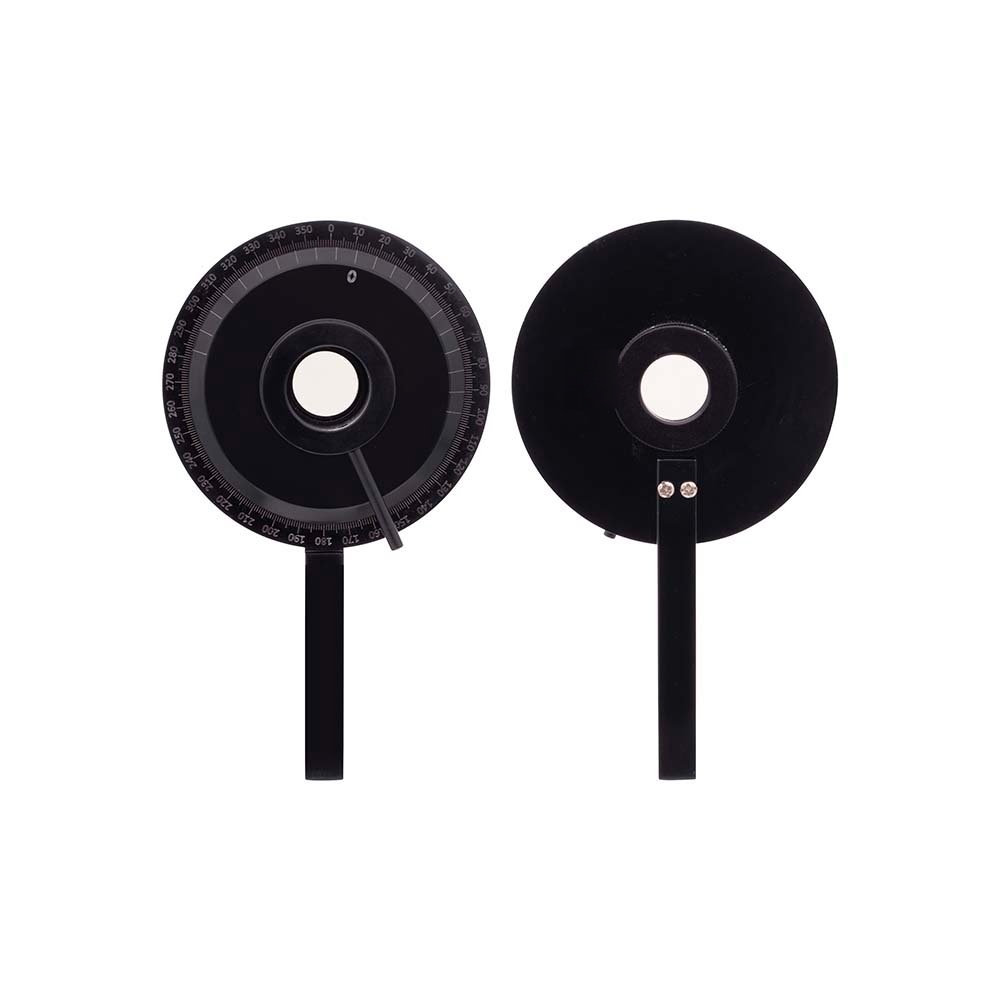
Rotating Table: A simple, smooth, and compact rotating table. The rotating table used is extremely smooth to operate. It is a single assembly that holds a glass sample, analyzer, and light sensor, thus minimizing the size of the whole equipment. Smooth rotation makes measurement continuous and accurate.
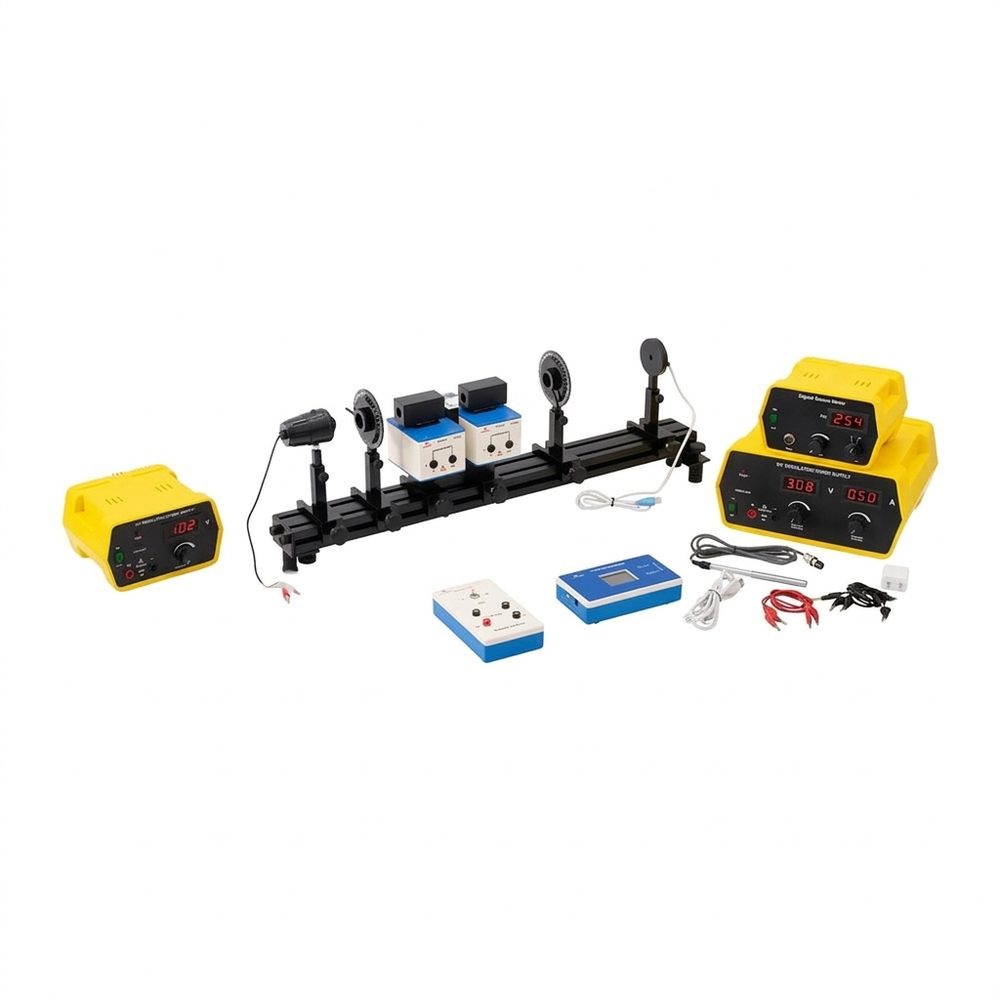
Light Sensor: This enables the measurement of light intensity at various angles of reflection. The meter reads with a precision of 1 lux. The Lux meter helps obtain a continuous smooth curve of angle vs intensity and determines the Brewster angle much more accurately than the manual method.
WHAT YOU NEED
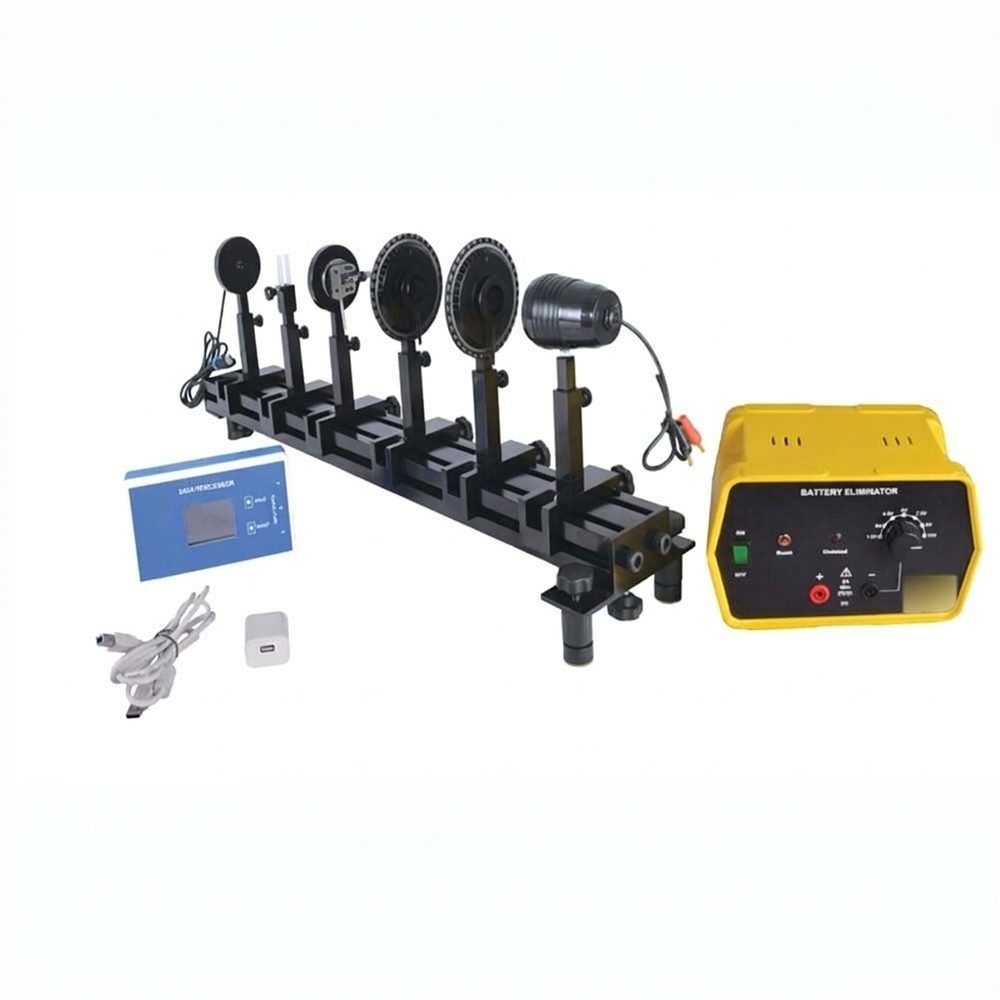
OB1 Optical Bench Set 0.8m 1
HA001 Light Source Holder 1
HA010 Converging Lense Holder
HA012 Adjustable Collimating Slit Holder 1
UP030 Rotating Table Assembly 1
AC002 Analyzer Square 1
HA511 Light Sensor Holder 1
PH61022D/2 Power Supply for Light Source 1
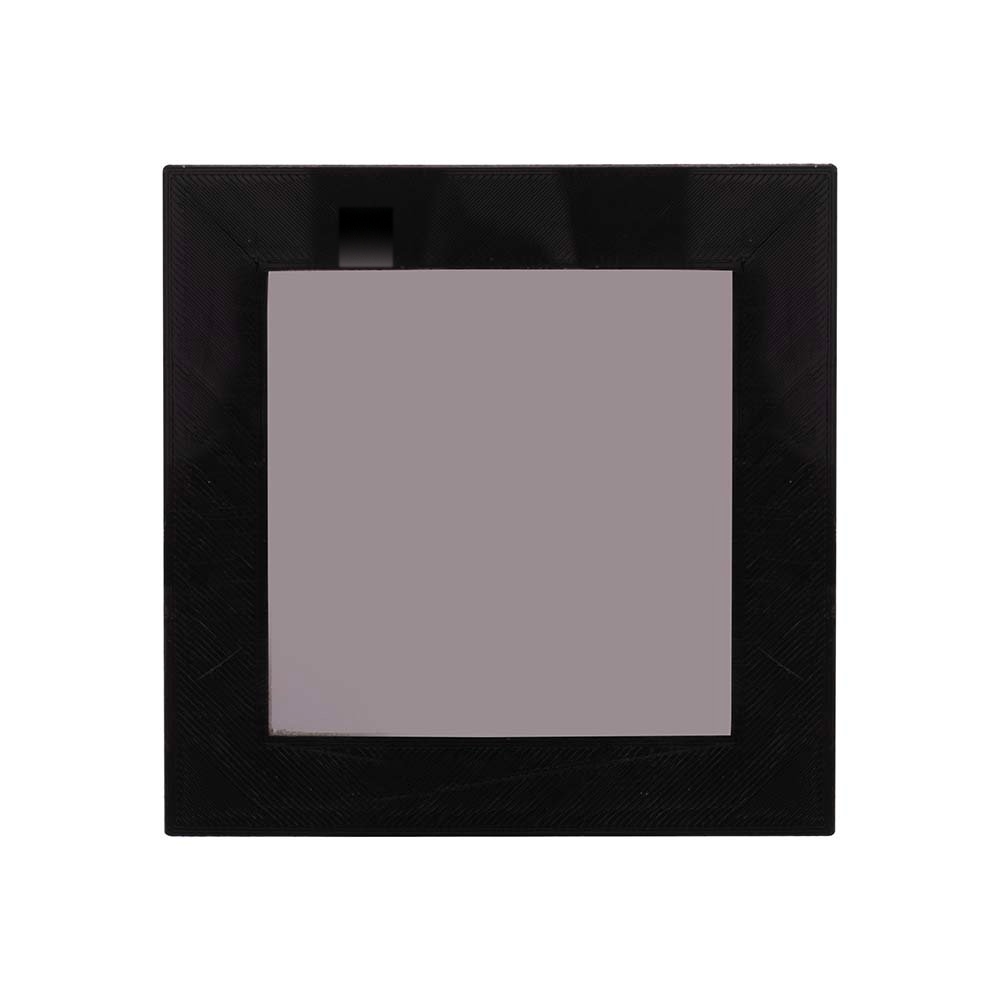
AC004 Glass Block 1
DP1 Data Processor 1
Complete Equipment Set with Instruction Manual from catalogue.
CSEEL provides turn-key science laboratory setup, teacher pedagogy training, and institutional quotation support.
Related Practical Apparatus
More equipment from Wave Optics