
Science & Mathematics
Engineering, Maker & STEAM Arts
Student Projects & Schematics
•Complete Makerspace CatalogCatalog•Prototyping & Digital Fabrication•Hand & Power Tools WorkshopStudent Projects & Schematics
•Working Science Fair Prototypes•Innovation Schematics & BOM•Student Innovation ShowcaseApparatus Catalog & Lab Packages
Procurement & Institutional Cart
Directory & Discovery
School Directory & Categories
•Pan-India School Search•Search Schools Near MeNear Me•UDISE Verified DirectoryFaculty & Enablement
Student Competitions & Hackathons
Related Pages & Subcategories
•National STEM Hackathon 2026Upcoming•Inter-School Science Olympiad•Innovation Project ShowcaseWorkshops & Faculty CPD
Our Organization & Pedagogy
Related Pages & Subcategories
•Our Mission & Vision•Our Story & Journey•Leadership & Advisory Team•Contact Us & Lab AdvisoryWho It's For & Careers
Academic Insights & Govt Schemes
Media & Visual Showcase
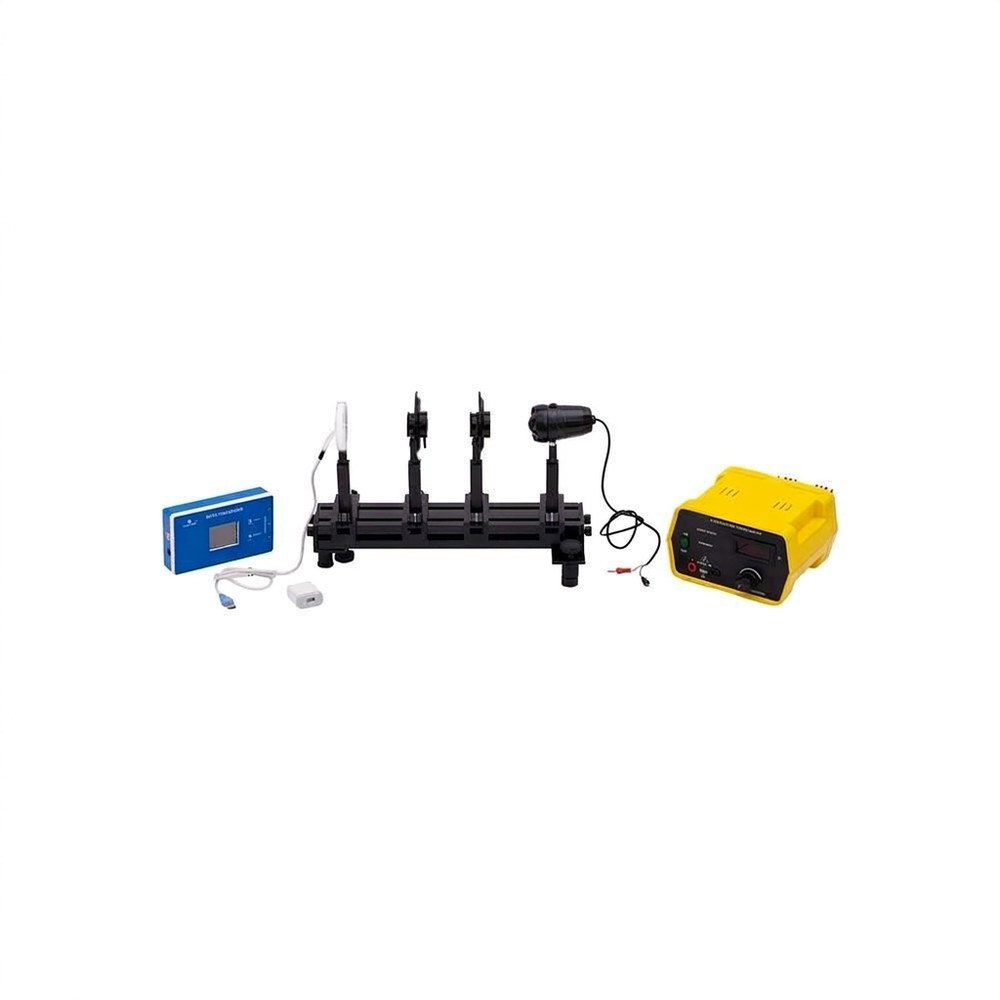 SKU: MLE1-C
Experiential Learning Apparatus • Science Practical Calibration
Laboratory Hardware & Measurement EssentialsCBSE / NCERT Syllabus
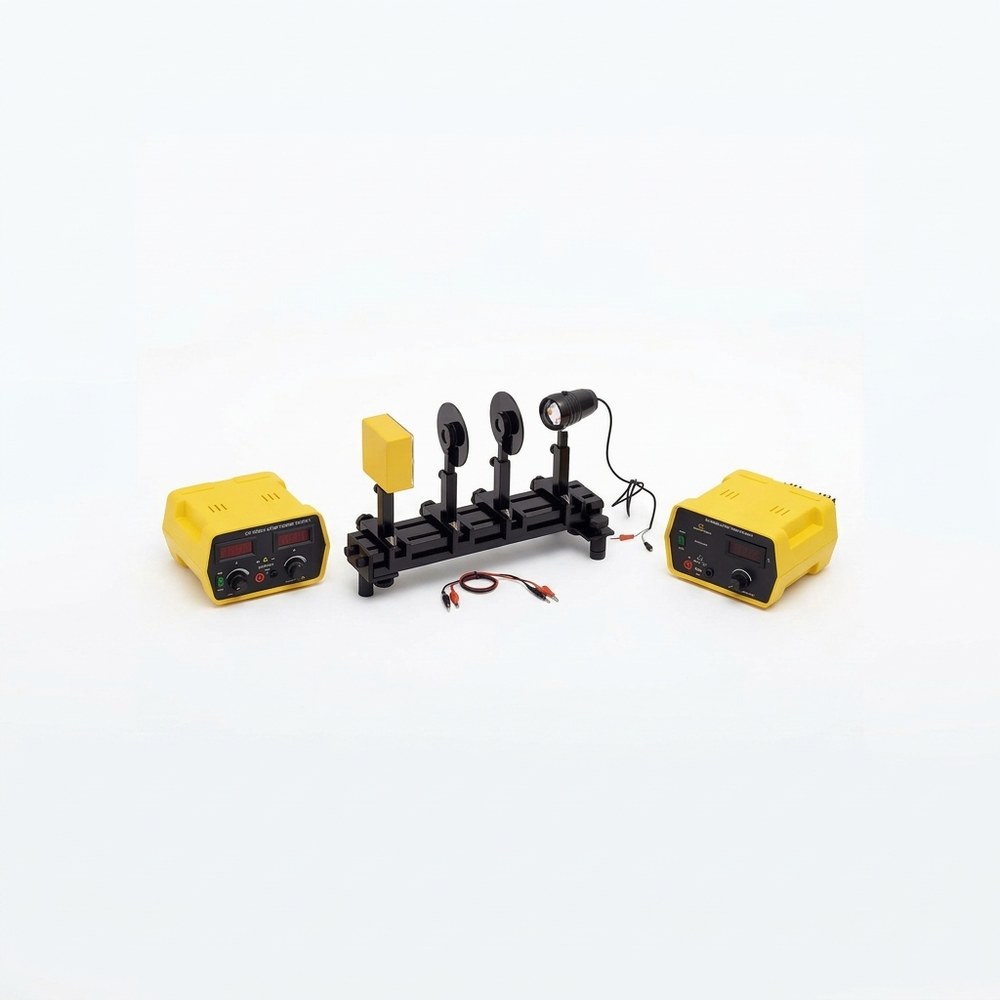
Malus Law Experiment
Apparatus Description & Purpose
OBJECTIVES
To experimentally verify malus’s law.
PRINCIPLE
Light, when modeled as a wave phenomenon, can be classified as a transverse electromagnetic wave consisting of oscillating electric and magnetic fields that are oriented perpendicular to each other. Depending on the orientation of the plane of polarization of the electric field with respect to the direction of propagation of the wave, the wave can be classified as polarized or un-polarized. To measure the variation of transmission of an EM wave through two polarizers as a function of the angle of orientation between them and prove Malus’s Law.
KEY FEATURES
Precise Optical Alignment: The optical alignment of the components is attained by the optical bench, the set-up time is faster and experimentation is easy.
Easy Analyzer Movement: The design of the analyzer helps for easier rotation without disturbing the optical alignment. The least count of 1° aid for more accurate readings.
Digital Lux Meter: A digital lux meter enables the measurement of light intensity for each rotation of the analyzer. The least count of 1 Lux provides accurate readings.
WHAT YOU NEED
OB2 Optical Bench Set 0.4m 1
HA001 Light Source Holder 1
HA004 Polarizer Holder 1
HA006 Analyzer Holder 1
HA510 Light Sensor Holder 1
PH61022D/2 Power Supply for Light Source 1
DP1 Data Processor 1
Complete Equipment Set with Instruction Manual from catalogue.
CSEEL provides turn-key science laboratory setup, teacher pedagogy training, and institutional quotation support.
Related Practical Apparatus
More equipment from Laboratory Hardware & Measurement Essentials
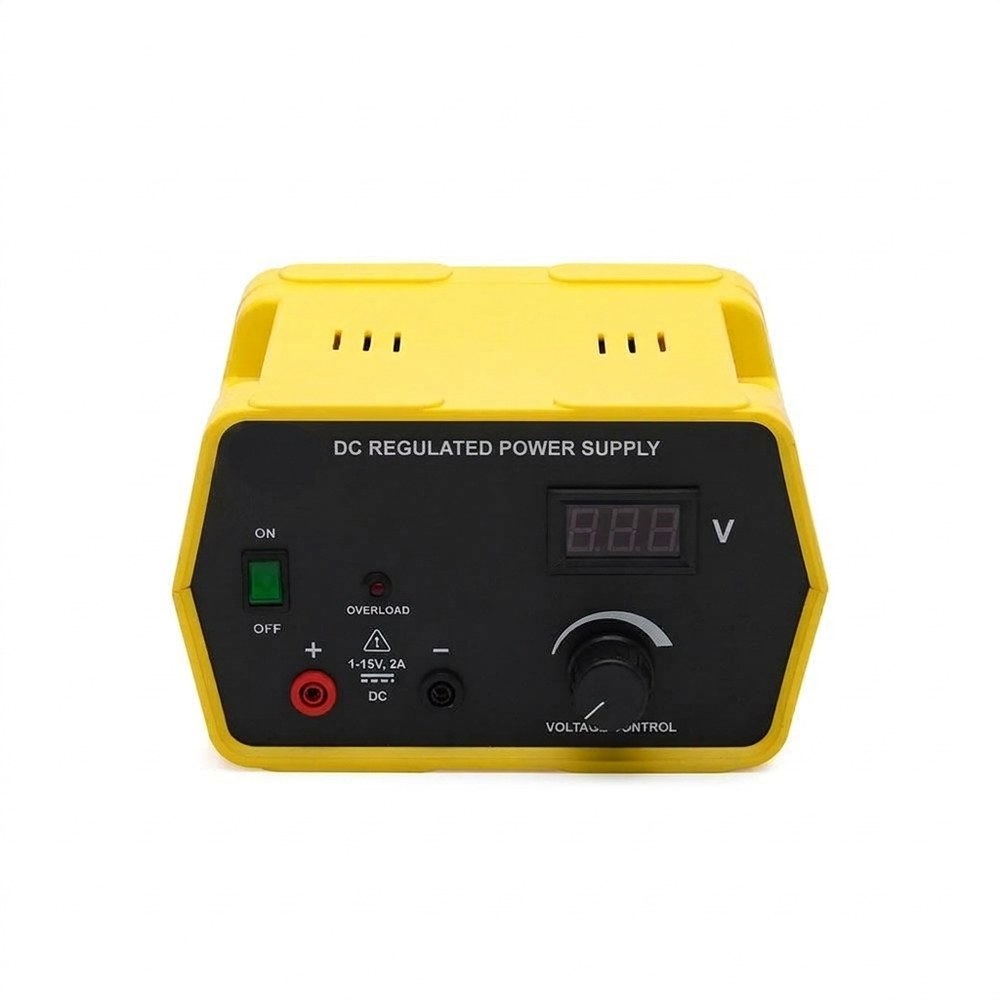
DC Regulated Power Supply (SMPS)
DCPS-SMDetails →
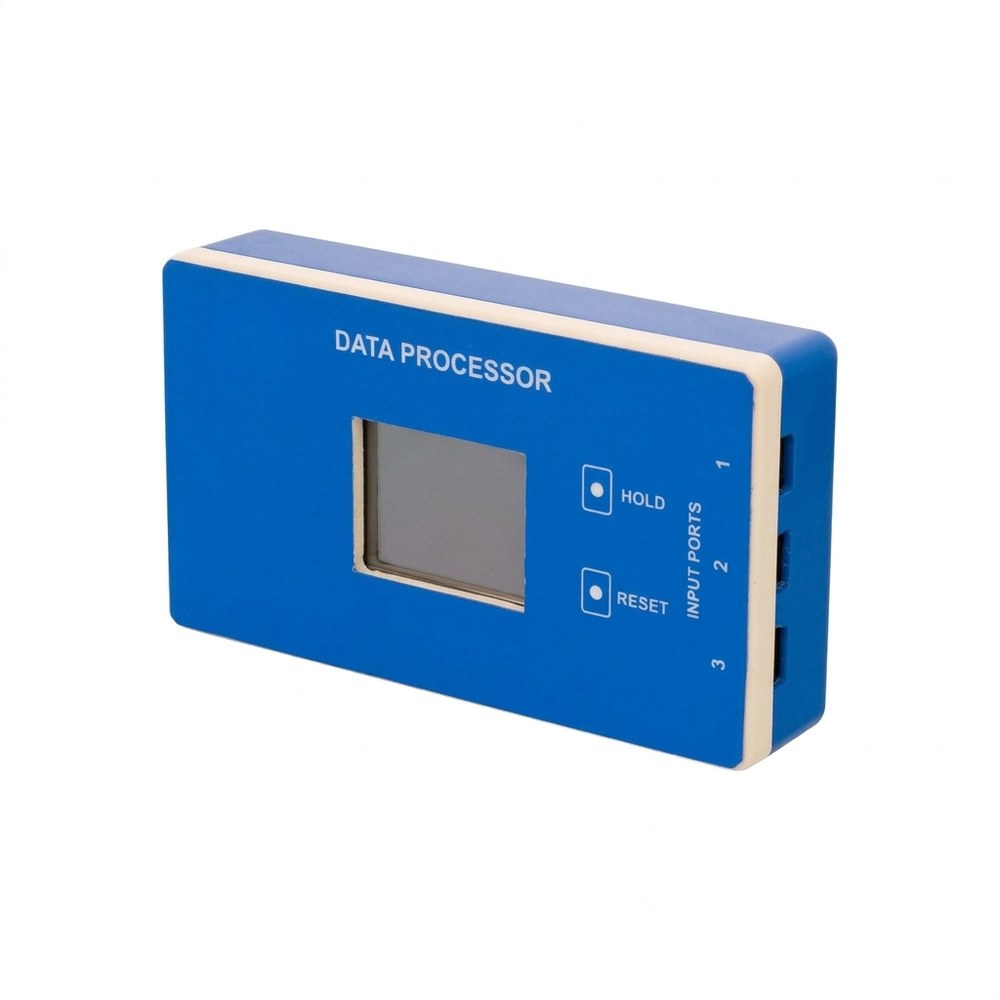
Data Processor
DP1Details →
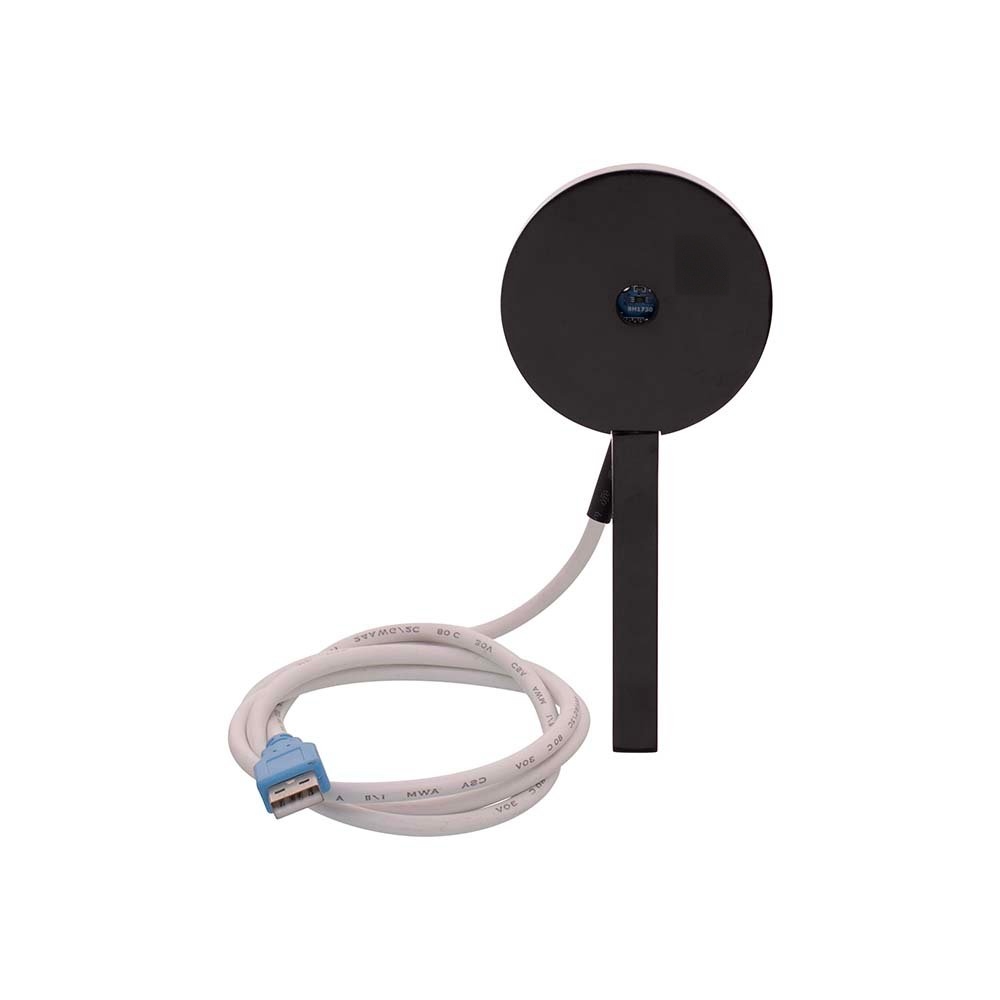
Light Sensor Holder
HA510Details →
Photoconductivity Experiment
PCE1-CDetails →