Science & Mathematics
Engineering, Maker & STEAM Arts
Student Projects & Schematics
•Complete Makerspace CatalogCatalog•Prototyping & Digital Fabrication•Hand & Power Tools WorkshopStudent Projects & Schematics
•Working Science Fair Prototypes•Innovation Schematics & BOM•Student Innovation ShowcaseApparatus Catalog & Lab Packages
Procurement & Institutional Cart
Directory & Discovery
School Directory & Categories
•Pan-India School Search•Search Schools Near MeNear Me•UDISE Verified DirectoryFaculty & Enablement
Student Competitions & Hackathons
Related Pages & Subcategories
•National STEM Hackathon 2026Upcoming•Inter-School Science Olympiad•Innovation Project ShowcaseWorkshops & Faculty CPD
Our Organization & Pedagogy
Related Pages & Subcategories
•Our Mission & Vision•Our Story & Journey•Leadership & Advisory Team•Contact Us & Lab AdvisoryWho It's For & Careers
Academic Insights & Govt Schemes
Media & Visual Showcase
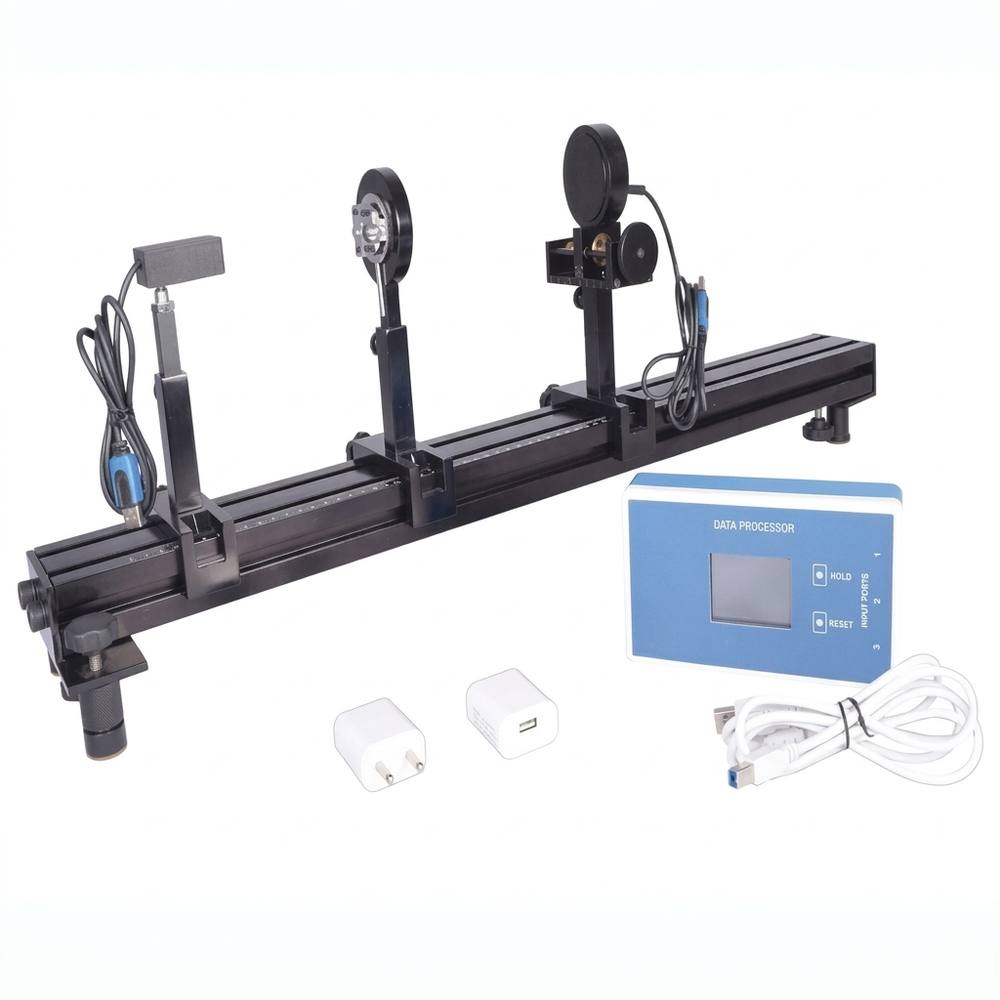 SKU: SSE1-C
Experiential Learning Apparatus • Science Practical Calibration
Ray Optics and Optical InstrumentsCBSE / NCERT Syllabus
Single Slit Experiment
Apparatus Description & Purpose
OBJECTIVES
To find the wavelength of a given laser using the slit of known width.
To find the slit width knowing the wavelength of light used.
Proving the concept of the Heisenberg uncertainty principle.
PRINCIPLE
Diffraction is a phenomenon of bending of waves when it encounters obstacles or narrow opening. A basic setup to observe diffraction consists of a laser, a slit, screen placed at a distance. The wavefronts are partially obstructed by the slit. The intensity distribution of the diffraction pattern consists of a series of light and dark fringes with the intensity distribution symmetric along the central axis. The primary peak is called the central maxima. The corresponding peaks are called secondary, and tertiary maxima. This is studied using the single-slit experiment.
KEY FEATURES
Precise Optical Alignment: The optical alignment of the components is attained by the optical bench, the set-up time is faster and experimentation is easy.
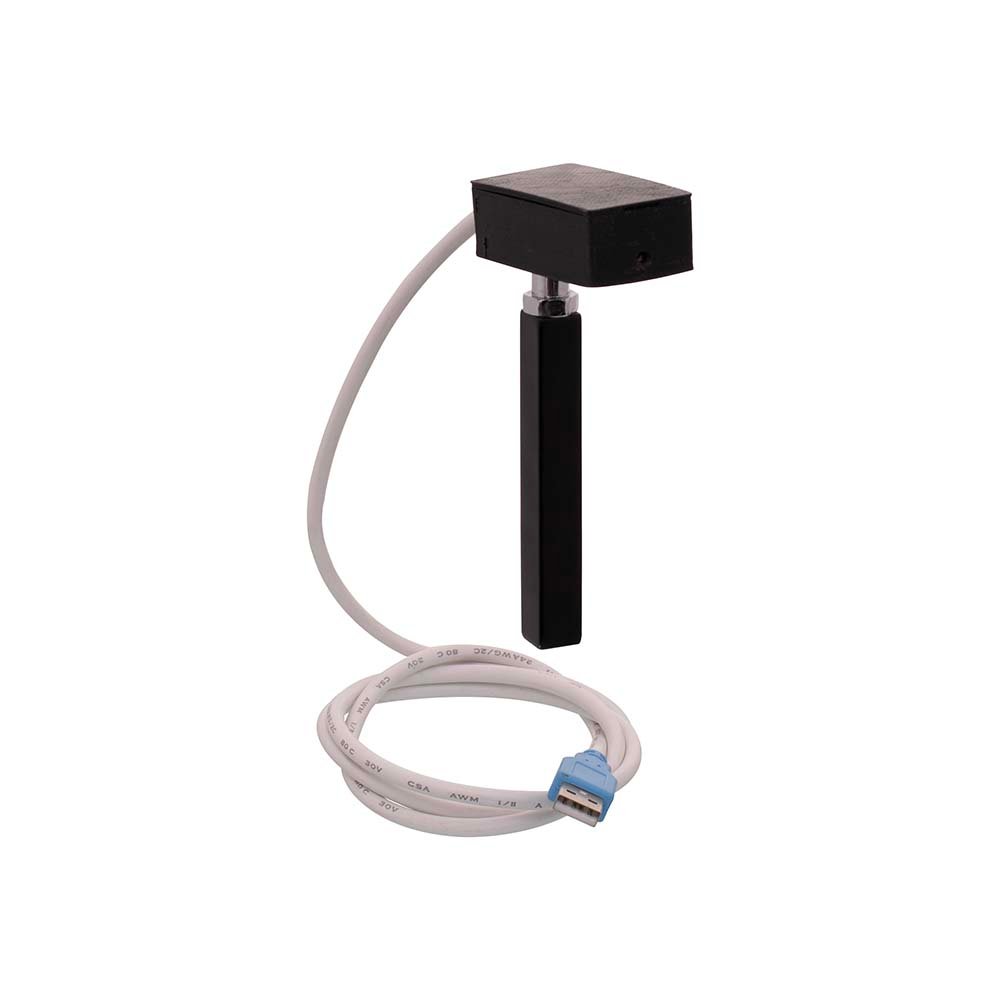
Digital Lux Meter with Transverse Saddle: The digital Lux meter enables the measurement of light intensity. The transverse saddle helps in the fine movement of the Lux meter perpendicular to the direction of light.
WHAT YOU NEED
OB1
Optical Bench Set 0.8m
1
HA003
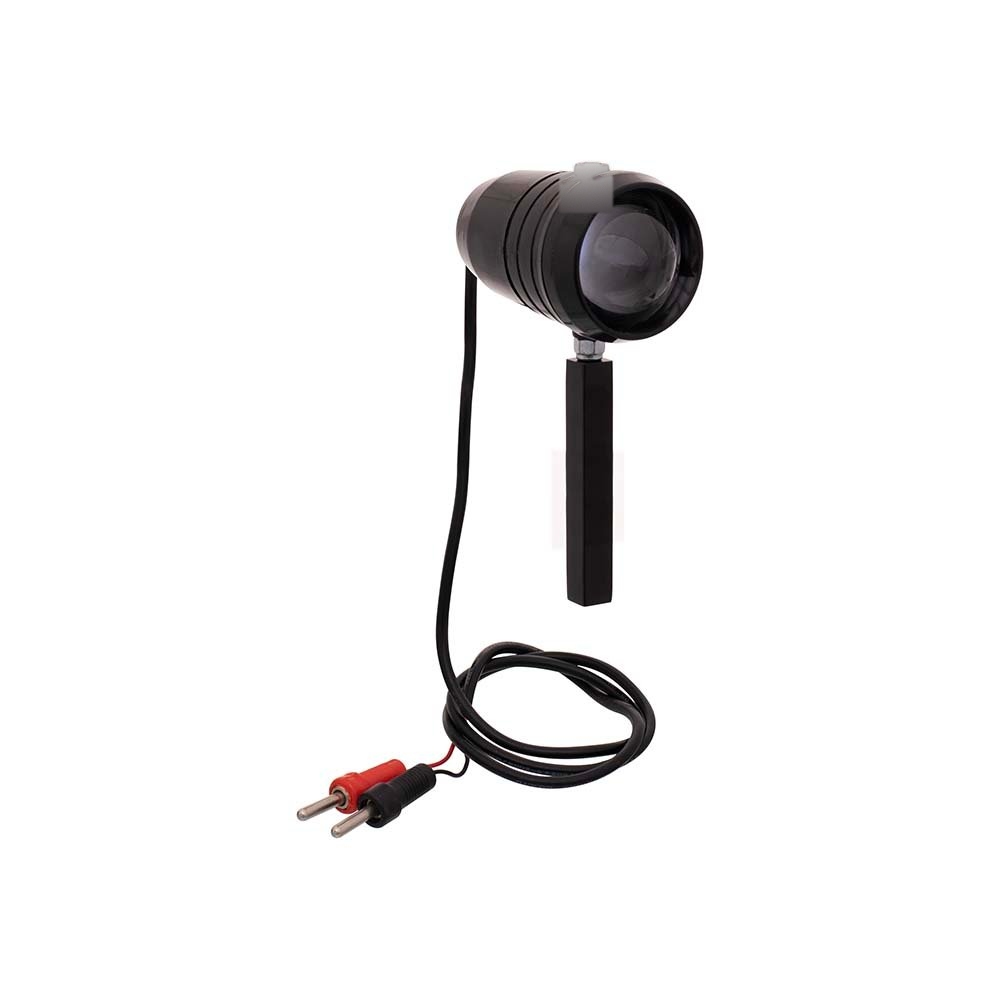
Laser Source Holder
1
HA012
Adjustable Collimating Slit Holder
1
HA512
Travelling Light Sensor Holder
1
DP1
Data Processor
1
PH61022D/2
Power Supply for Light Source
1
Complete Equipment Set with Instruction Manual from catalogue.
CSEEL provides turn-key science laboratory setup, teacher pedagogy training, and institutional quotation support.
Related Practical Apparatus
More equipment from Ray Optics and Optical Instruments