
Science & Mathematics
Engineering, Maker & STEAM Arts
Student Projects & Schematics
•Complete Makerspace CatalogCatalog•Prototyping & Digital Fabrication•Hand & Power Tools WorkshopStudent Projects & Schematics
•Working Science Fair Prototypes•Innovation Schematics & BOM•Student Innovation ShowcaseApparatus Catalog & Lab Packages
Procurement & Institutional Cart
Directory & Discovery
School Directory & Categories
•Pan-India School Search•Search Schools Near MeNear Me•UDISE Verified DirectoryFaculty & Enablement
Student Competitions & Hackathons
Related Pages & Subcategories
•National STEM Hackathon 2026Upcoming•Inter-School Science Olympiad•Innovation Project ShowcaseWorkshops & Faculty CPD
Our Organization & Pedagogy
Related Pages & Subcategories
•Our Mission & Vision•Our Story & Journey•Leadership & Advisory Team•Contact Us & Lab AdvisoryWho It's For & Careers
Academic Insights & Govt Schemes
Media & Visual Showcase
 SKU: PH20272
Experiential Learning Apparatus • Science Practical Calibration
Laboratory Hardware & Measurement EssentialsCBSE / NCERT Syllabus
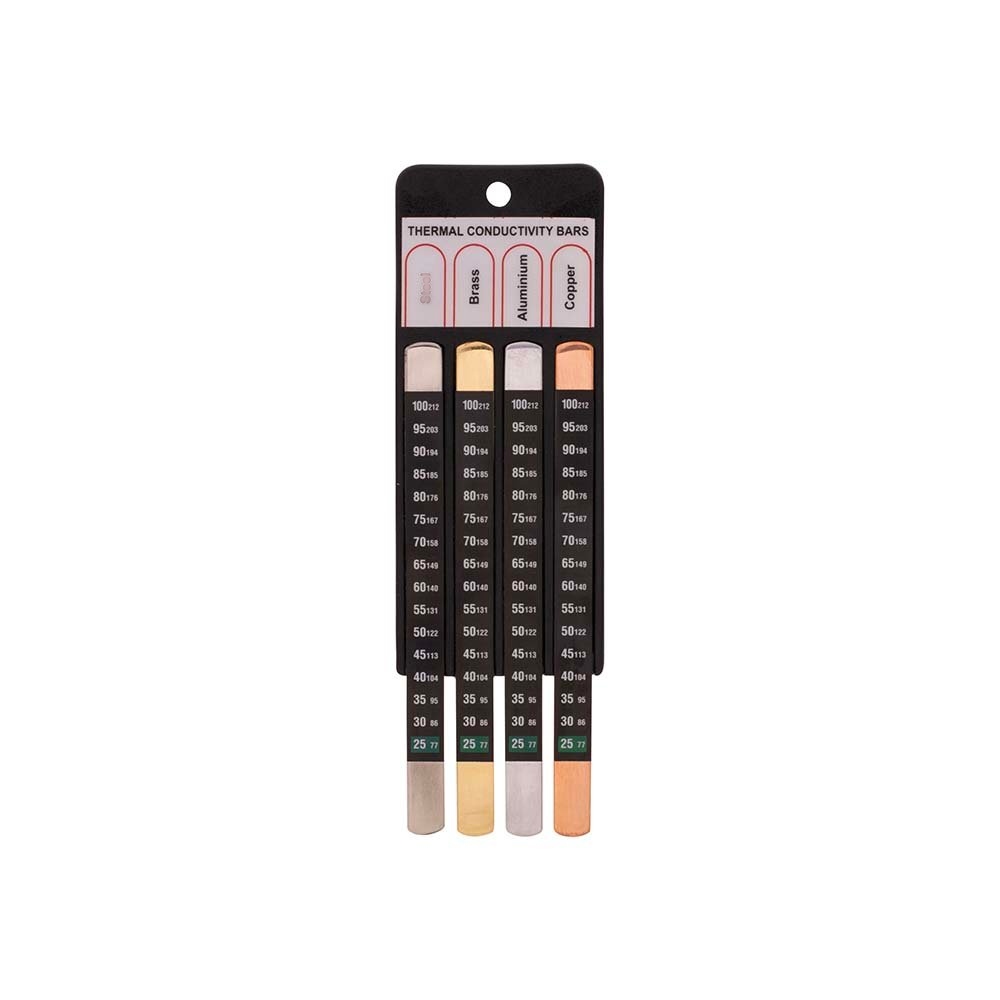
Heat Conductivity Bar Set
Apparatus Description & Purpose
A simple, effective apparatus demonstrates the heat conductivity of various metals. Four metals bars (Copper, Aluminum, Brass and Steel) are mounted on a base with a hole for suspension. Every metal bar has same cross-sectional area and its conductivity value is marked on the back of the base. The sensitive temperature indicators are attached to the front of each of the four metal bars. The color of the temperature indicator changes with the change in temperature. Place the bars in a beaker of hot water and compare their relative conductivities. With instructions.
CSEEL provides turn-key science laboratory setup, teacher pedagogy training, and institutional quotation support.
Related Practical Apparatus
More equipment from Laboratory Hardware & Measurement Essentials
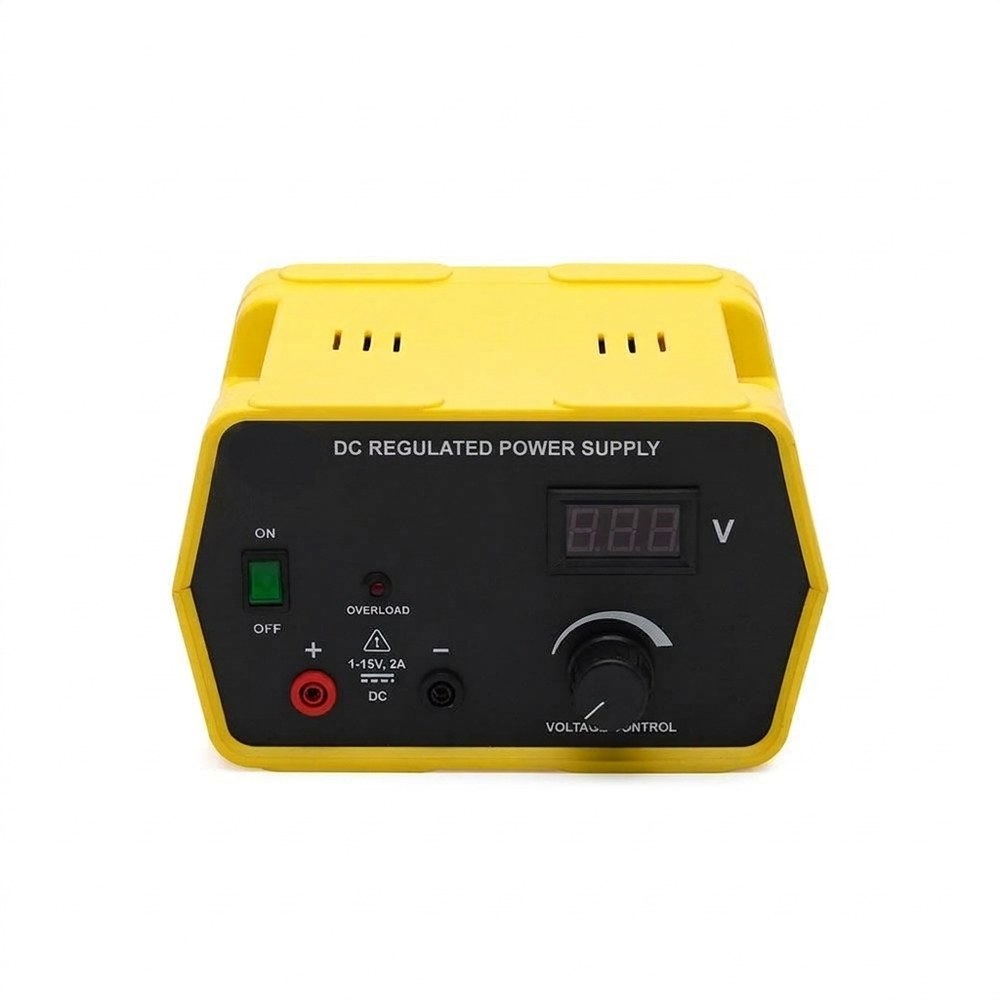
DC Regulated Power Supply (SMPS)
DCPS-SMDetails →
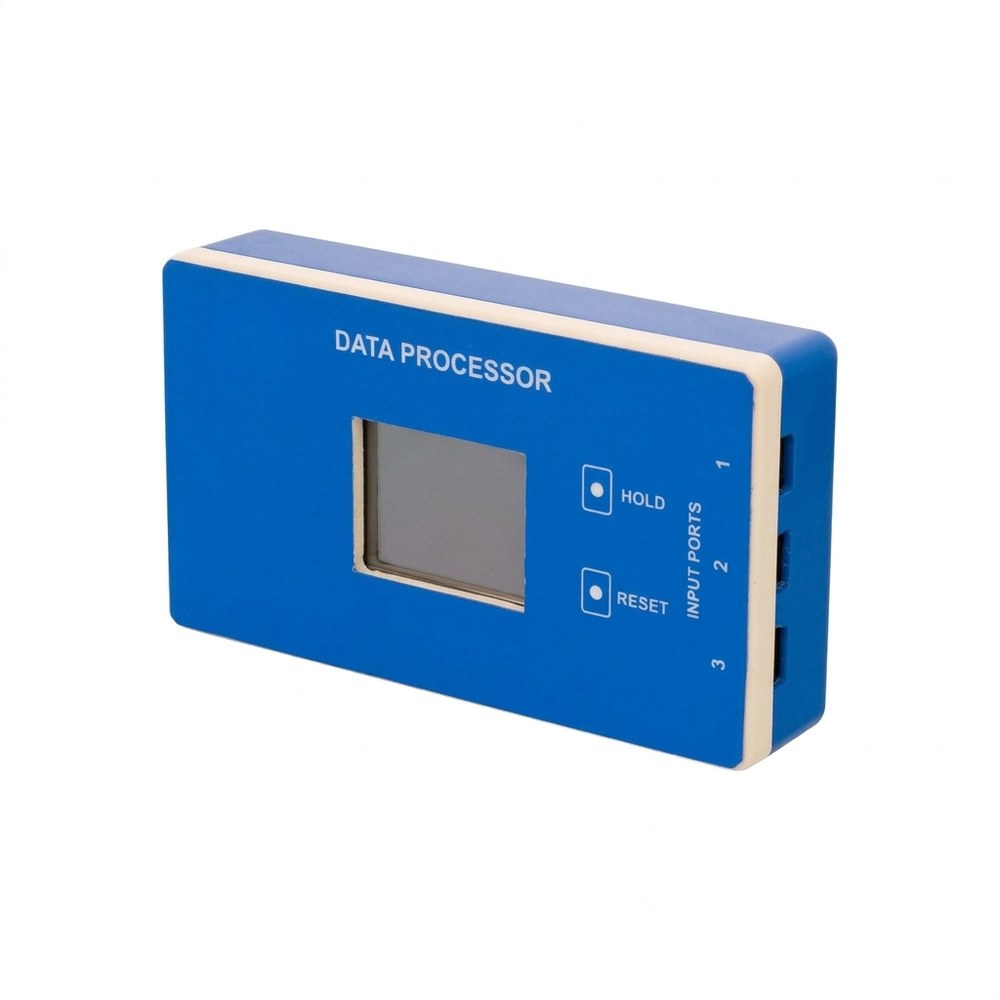
Data Processor
DP1Details →
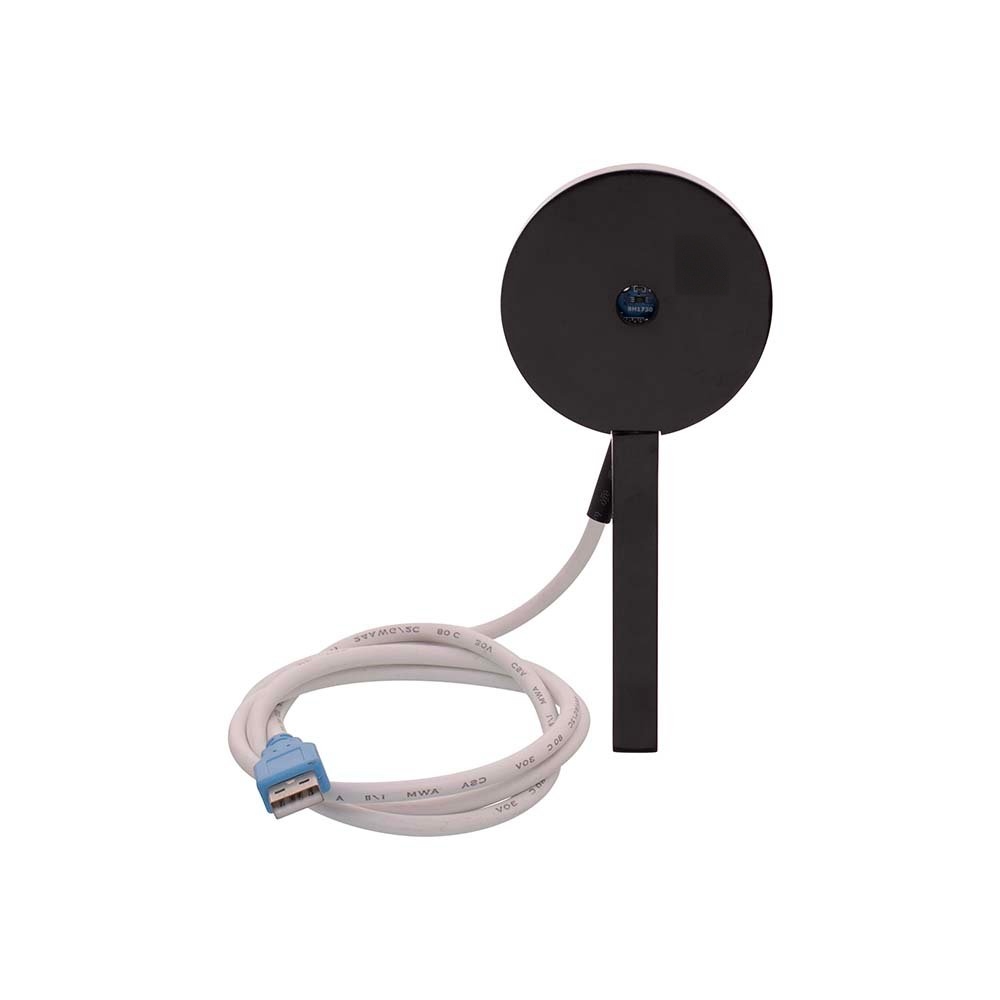
Light Sensor Holder
HA510Details →
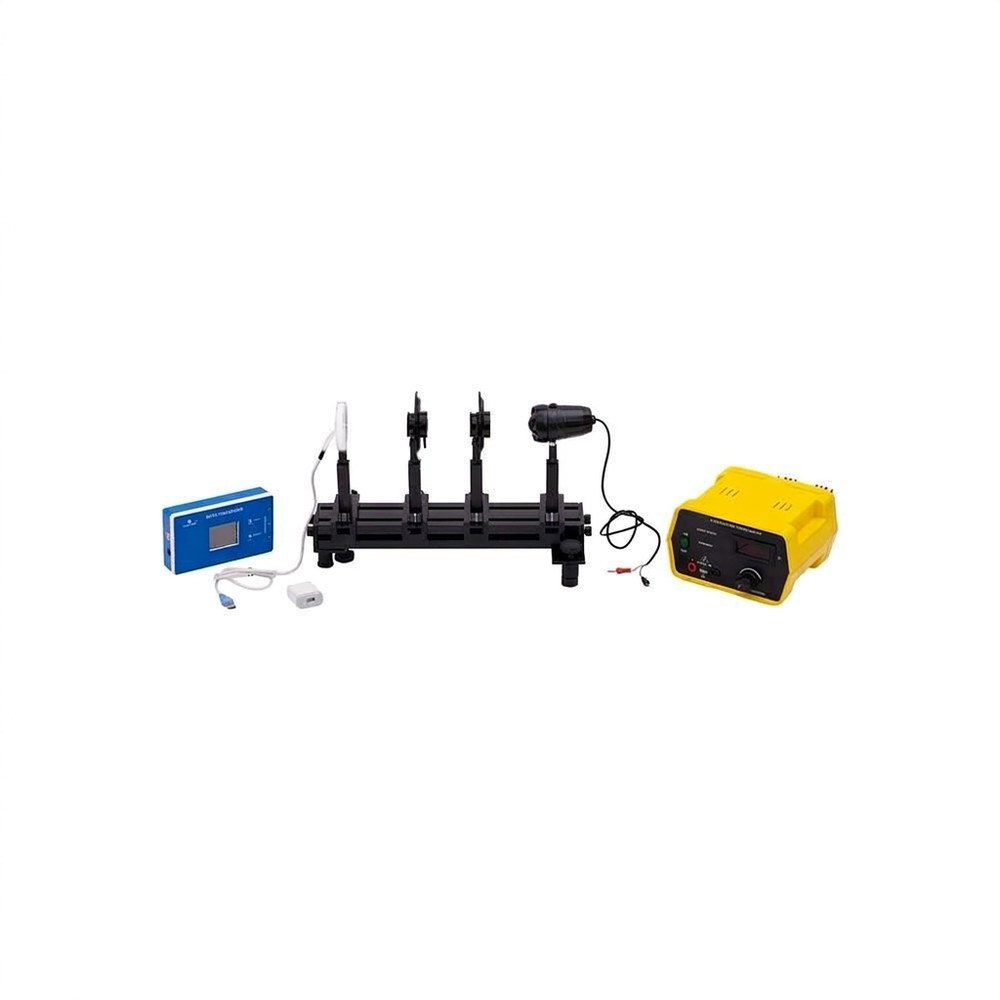
Malus Law Experiment
MLE1-CDetails →